Can You Plan Your Entire Safari Using the Migration Map?

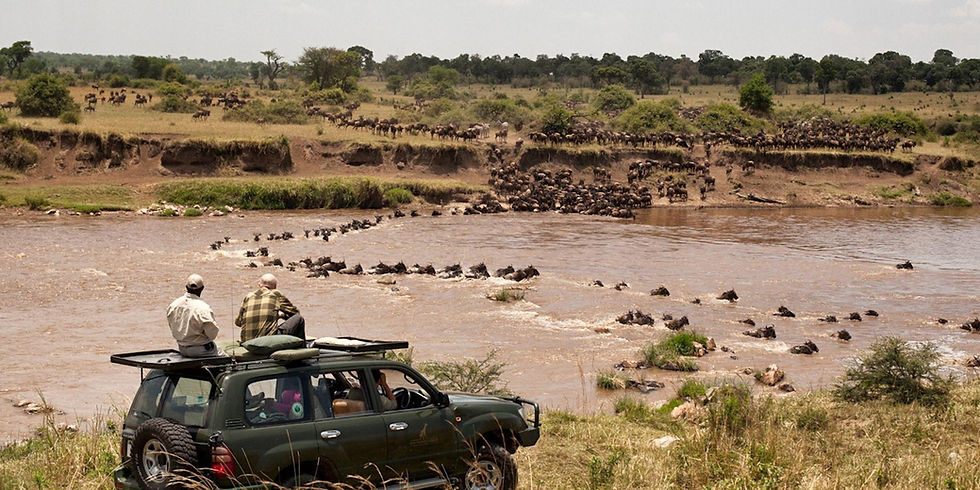
Planning a safari around the Great Migration can be one of the most exciting ways to experience Africa's incredible wildlife. However, because the migration is constantly moving, choosing the right destination and travel dates can be challenging.
A Serengeti wildebeest migration map makes safari planning much easier by showing where the herds are likely to be throughout the year. Combined with the right wildebeest migration safari packages, it helps travelers choose the best locations, accommodations, and game drives for an unforgettable adventure.
What Is a Serengeti Wildebeest Migration Map?
A Serengeti wildebeest migration map is a visual guide that tracks the annual movement of more than 1.5 million wildebeest, along with thousands of zebras and gazelles, across the Serengeti ecosystem in Tanzania and the Maasai Mara in Kenya.
The migration map highlights:
Seasonal migration routes
Major wildlife viewing areas
Calving grounds
Grazing regions
River crossing locations
Monthly migration patterns
It serves as an essential planning tool for anyone hoping to witness the Great Migration.
How the Migration Map Helps You Plan Your Safari
One of the biggest advantages of using a migration map is knowing where wildlife is expected during your travel dates.
Instead of guessing, you can:
Select the best safari destination
Book accommodations near the migration
Choose ideal travel months
Plan daily game drives
Increase your chances of wildlife sightings
A well-planned itinerary based on migration movements can make every day of your safari more rewarding.
Choosing the Right Wildebeest Migration Safari Packages
Many travelers book wildebeest migration safari packages that are designed around the seasonal movement of the herds. Here are the safari packages
Safari Package | Duration | Price (USD) | Link |
15 Days & 14 Nights Maasai Mara & Serengeti Migration Safari | 15 days, 14 nights | $13,038 PPS | |
10 Days 9 Nights Serengeti Migration Safari | 10 days, 9 nights | $8,573 PPS | |
7 Days 6 Nights Mara Wildebeest Safari | 7 days, 6 nights | $5,472 PPS | |
12 Days 11 Nights Kenya Classic Safari | 12 days, 11 nights | $9,112 PPS | |
12 Days 11 Nights Tanzania Migration Safari | 12 days, 11 nights | $11,111 PPS |
Using a migration map before booking helps you select a package that matches the wildlife activity during your travel period.
Timing Your Visit for the Mara River Crossing
One of the most dramatic events during the Great Migration is the wildebeest migration Mara River crossing.
During this period, thousands of wildebeest gather along the riverbanks before making the dangerous crossing while avoiding strong currents and predators like crocodiles.
Although nature never guarantees exact dates, river crossings generally occur between July and October, depending on rainfall and grazing conditions.
Checking a migration map before your trip can help you identify the regions where these spectacular crossings are most likely to happen.
Understanding Seasonal Migration Patterns
The Great Migration follows a continuous circular route rather than a fixed schedule.
Typical migration stages include:
January to March
The southern Serengeti becomes the calving season, when thousands of wildebeest calves are born.
April to June
The herds move through the central and western Serengeti in search of fresh grazing.
July to October
Many herds reach northern Serengeti and Kenya's Maasai Mara, where visitors often witness the famous Mara River crossings.
November to December
The migration gradually returns south as seasonal rains begin.
A migration map helps travelers understand these seasonal movements and choose the right safari destination.
Is a Migration Map Enough to Plan Your Entire Safari?
A migration map is one of the most valuable planning tools, but it works best when combined with other important factors.

Consider:
Weather conditions
Accommodation availability
Park accessibility
Safari budget
Travel duration
Wildlife interests beyond the migration
Combining these factors ensures a smoother and more enjoyable safari experience.
Tips for Planning a Successful Migration Safari
To get the most from your trip:
Book your safari several months in advance.
Use updated migration maps rather than older seasonal guides.
Stay flexible, as wildlife movements depend on rainfall and grazing conditions.
Choose experienced safari guides who understand migration patterns.
Consider mobile camps that move closer to the herds.
These simple steps can significantly improve your chances of seeing the migration.
Conclusion
A Serengeti wildebeest migration map is one of the most valuable resources for planning a successful Great Migration safari. It helps you understand seasonal wildlife movements, choose the right destination, and improve your chances of witnessing unforgettable moments like the wildebeest migration Mara River crossing. When paired with carefully selected wildebeest migration safari packages, you can enjoy a well-planned adventure that maximizes every game drive and wildlife encounter.
At Wildebeest Sightings, we're committed to helping travelers make informed safari decisions with reliable migration updates, expert insights, and practical planning resources. Whether you're visiting the Serengeti, the Maasai Mara, or both, Wildebeest Sightings is here to help you experience the Great Migration with confidence.
Frequently Asked Questions
Can I plan my safari using only a Serengeti wildebeest migration map?
A migration map is an excellent planning tool, but it's best used alongside current migration updates, weather information, and advice from experienced safari operators.
When is the best time to witness the Mara River crossing?
The wildebeest migration Mara River crossing is most commonly seen between July and October, although exact timing depends on seasonal rainfall and herd movements.
Are wildebeest migration safari packages worth booking?
Yes. Many safari packages are designed around migration seasons, making it easier to visit the best wildlife viewing locations with the support of experienced guides.
Why does the migration route change every year?
The migration follows rainfall and fresh grazing areas, so exact routes and timings vary slightly from year to year.


Comments